
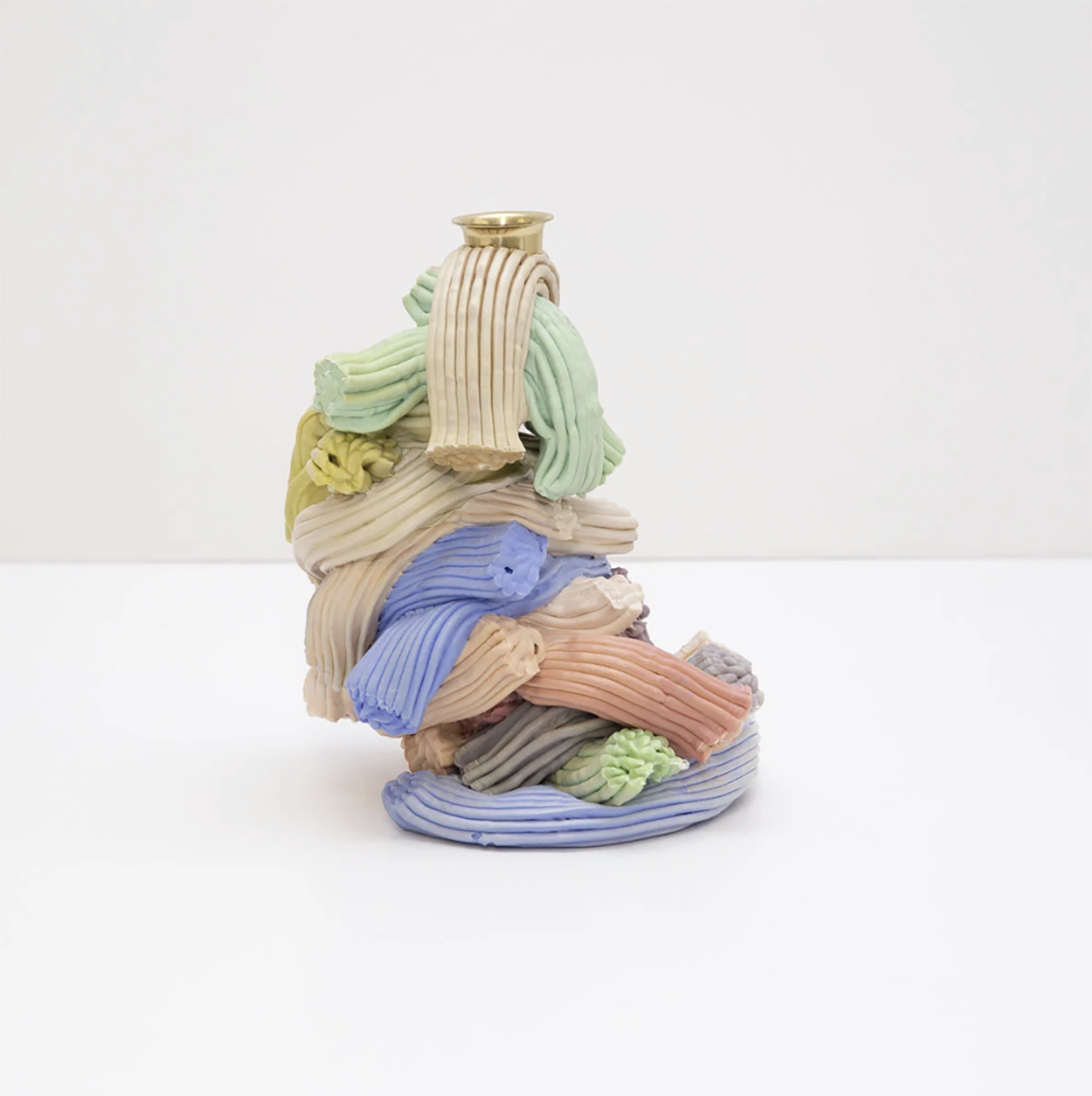
As Humans we are drawn to objects that we connect to, within our everyday existence. Whether they are ornamental, functional or both, everyday objects play a fundamental part within our lives and contribute to the formation of our own identities. We value, look after, collect and treasure objects considered precious, however disregard those that are deemed to be disposable. As a result, some objects turn into waste, at our own and planet’s cost, as we try to make the items that we no longer need disappear.
James Shaw is a London based designer that turns waste into functional, artistic objects that appear to be far removed from their original materials, despite the fact that collected waste makes up the core material used. By finding materials to recycle, the original materials are deconstructed and reconstructed into to everyday recognisable objects. In a world where resources are becoming scarce, the pieces demonstrate how recycling can bridge the gap between throwaway and collectable items.

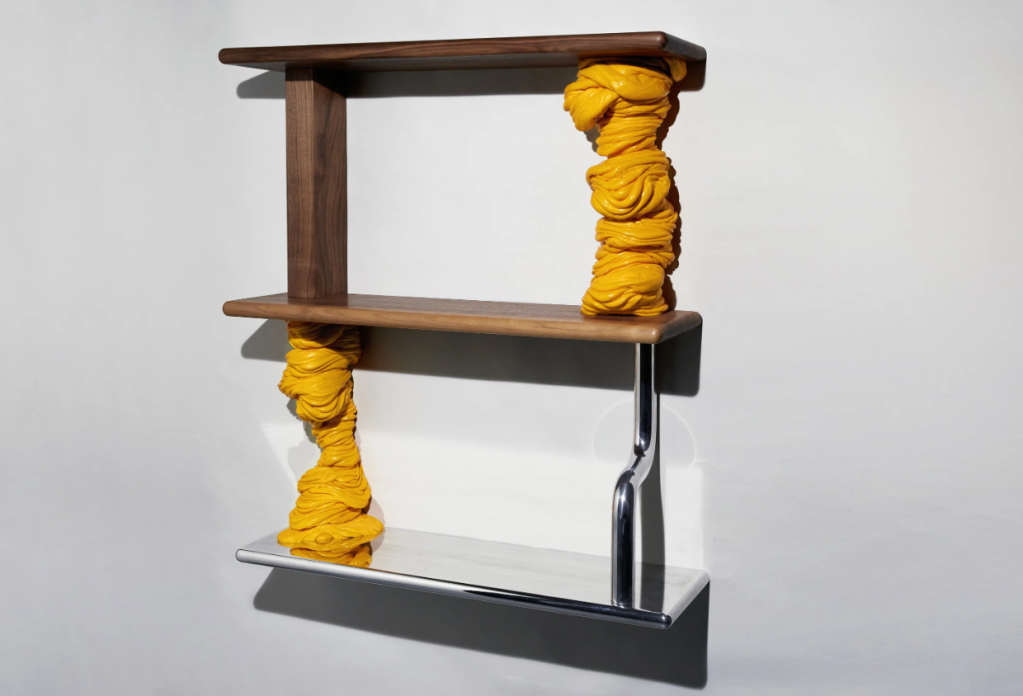

As Shaw suggests:
“In a time where waste is everywhere, I think that trying to find ways to use it and make something desirable out of it is a worthwhile thing to do.”
It is this distinguished notion of need vs desire that raises the question about what the difference between the two actually is. As the contrast is driven by aesthetic, sentiment and worth, what would happen if a disposable object displayed these qualities? It could in turn become valuable and worth keeping, which would prevent it from being thrown away. As Antony Hudeck writes in ‘Detours of objects’:
“Artists are still generally accepted to be the makers of objects. The particularity of the artist’s objects may be the multiple uses to which the object can be put: from economic value in a private or public collection to the aesthetic value that they are assumed to offer.”
Consequently, if ordinary objects were perceived in the same way that artistic objects are, the worth of these objects would increase and become less disposable.

 capsule-blog.com