
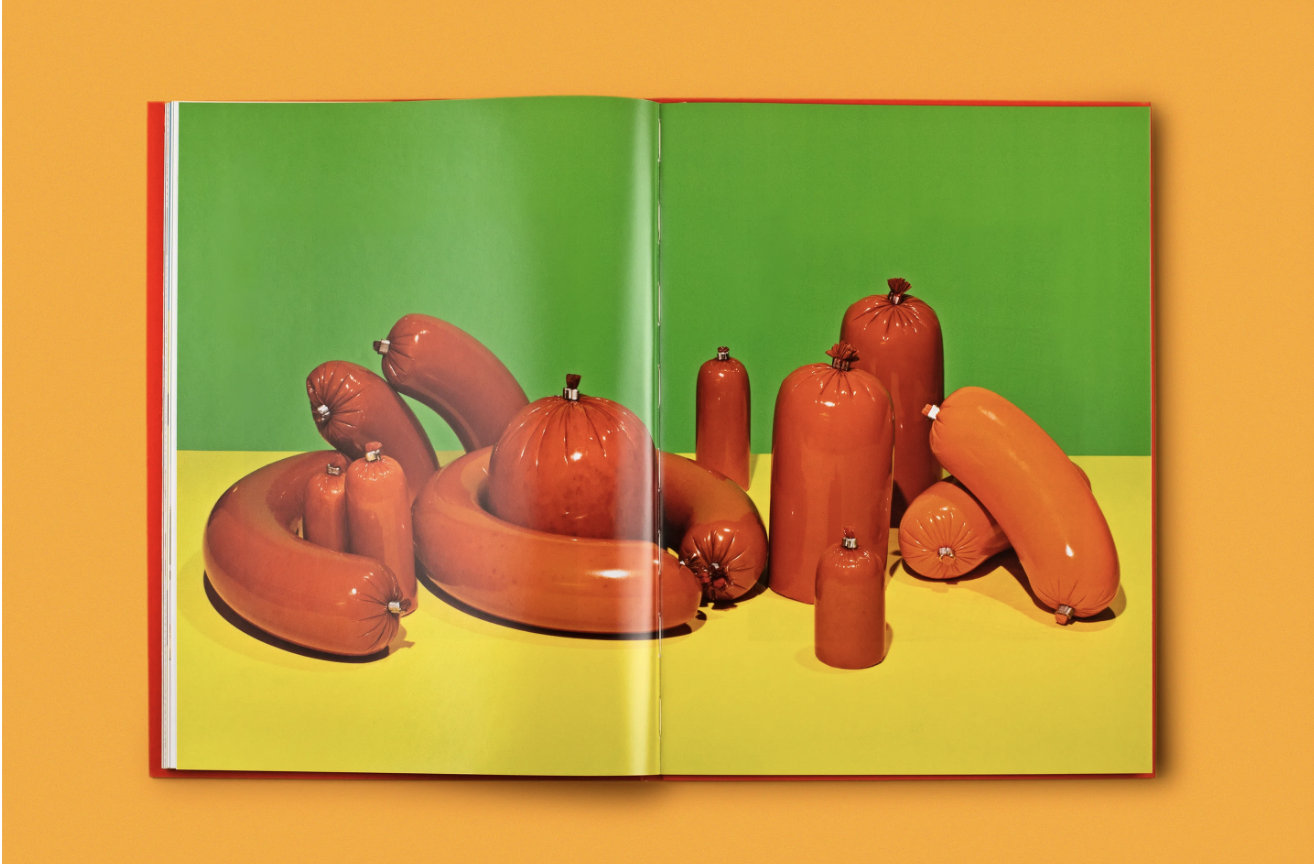
Often, when people are asked to visualise a location they will imagine landscapes, streets and rooms that they have seen themselves or experienced through depictions presented through various types of media. The objects that fill these vistas, are often considered as secondary aspects, as they become ‘part of the furniture’ within a place. The ordinary is often overlooked, despite the fact that the ordinary elements of the everyday contribute to the making of history and become the visual references of the future.
Phyllis Ma is a photographer that creates surreal compositions from objects that she discovers on her travels. By juxtaposing texture, colour and form, her creations are striking and anything but ordinary. Her work demonstrates how context can impact the allure of an object to enhance a message and add visual appeal. The objects in turn, become artefacts that interact with one another to present a function, beyond their original intentions.
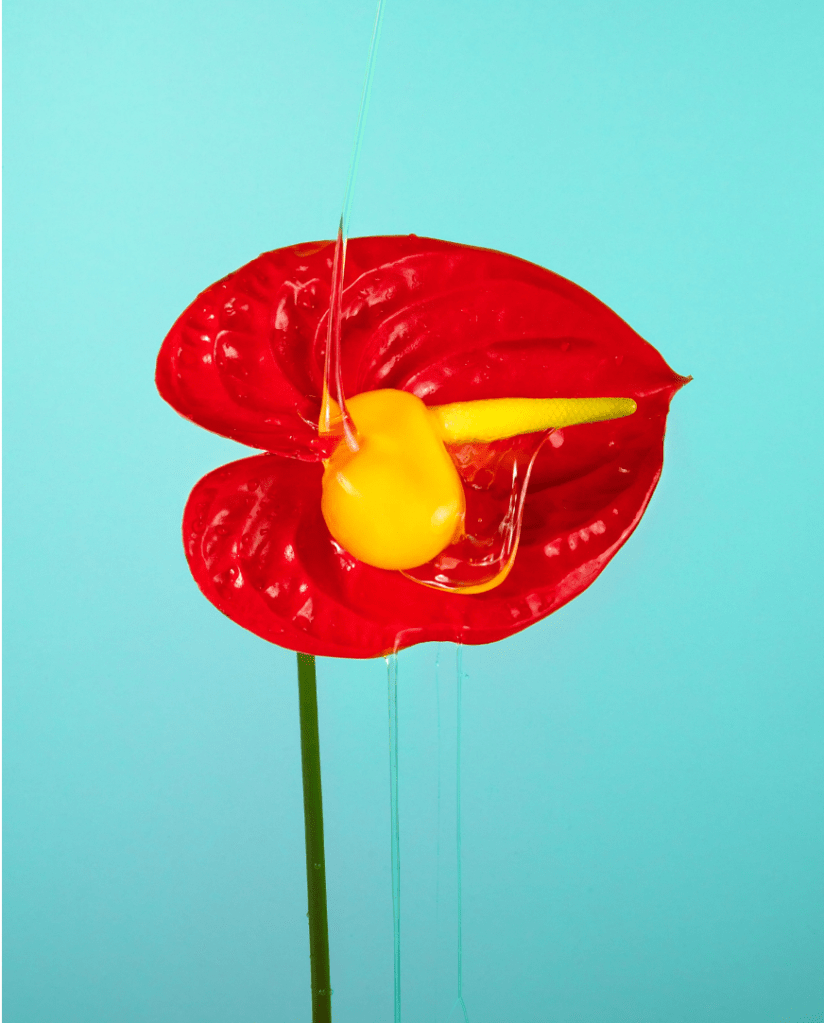
In 2010, Issa Samb expresses in conversation for ‘How to make objects talk’ how significant objects are and how they have the ability to add meaning to the world that we live in:
“Why do we hold on to sandals that we’ve had since we were fourteen? Why do we keep these sandals if they don’t speak to us any longer? No, they do speak. Objects speak, but speak their own language.”

 capsule-blog.com