

An image might appear to capture a specific moment in time or a decisive moment, but many images are created using mechanical approaches that exploit constructed elements, in order to appear real or inadvertently manipulated. This is often the case when a specific message is being delivered or if an intended reading of an image is required from the audience. Iconic, indexical and symbolic representation are often interjected into a piece of a work, to ensure that the meaning is understood. Whether this is in the form of intertextuality and the use of historical references or through the use of conventional symbolism, these elements work together to create a narrative that is understood and accepted by the viewer.
Alex Prager is an American photographer that creates iconic scenes inspired by vintage Americana and cinema, to replicate the photographic subject matter and themes often associated with the 1960’s, 1970’s and 1980’s. Her ability to produce images that demonstrate a realistic representation of eras gone by, combined with contemporary image making techniques, bridges both photography and cinema, by using a stylised aesthetic that is often associated with film. The realism imitated within these images, is dependent on the audiences prior knowledge of American culture and often appears satirical and dramatic. Although the scenes are fictional, there are cultural signifiers that factually depict a way of a life gone by. These constructed realities, arguably demonstrate how the direction and staging of scenes contribute towards posterity and cultural understanding, in an equally effective manner as documentary photography would.
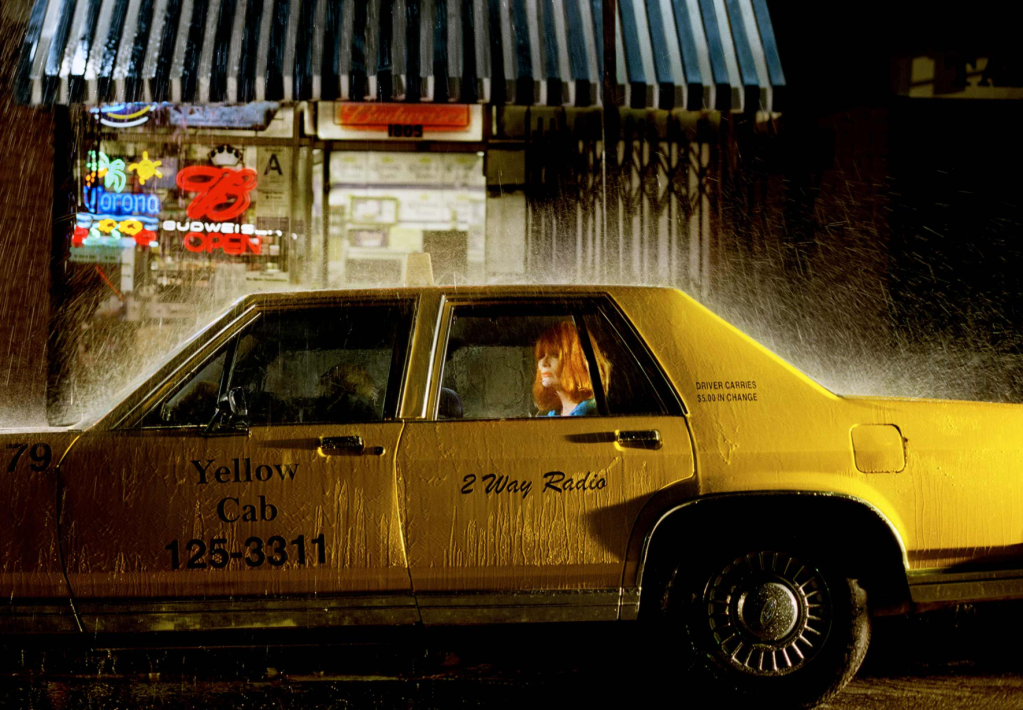

As the camera acts as an extension of the photographer, it captures subject matter within a frame that is chosen and constructed by the image maker. Michael Kholer addresses this notion in his writing for Constructed Realities; the art of the staged photography, by reflecting on art practices:
“All art oriented towards realism practices deception. It attempts to create an illusion, namely the illusion that in viewing a painting one is not actually looking at a painted surface, but as through a window—at a segment of reality.”

 capsule-blog.com