

People often consider the ‘everyday’ as the mundane aspects of life; the repetition of tasks, the small jobs, the insignificant events. However these ideas are presented through social praxis and sociological conditions that have been created to suggest that these categories are less significant than others. The reality is that all activities, considered big or small all make up the ‘everyday’ and that every act is actually connected and influential to another. They make up the social conventions that we live in and determine how history is made. As Carter Ratliff references Diane Arbus in Cruel and Tender, an argument is created to challenge this, as social conventions can often distract from alternative ways of thinking:
“Arbus formulated a brief against the very nature of society. The roles it permits us, like the categories that it assigns us, are supposed to integrate us into a communal unity”
https://www.tate.org.uk/art/art-terms/p/photography/cruel-and-tender
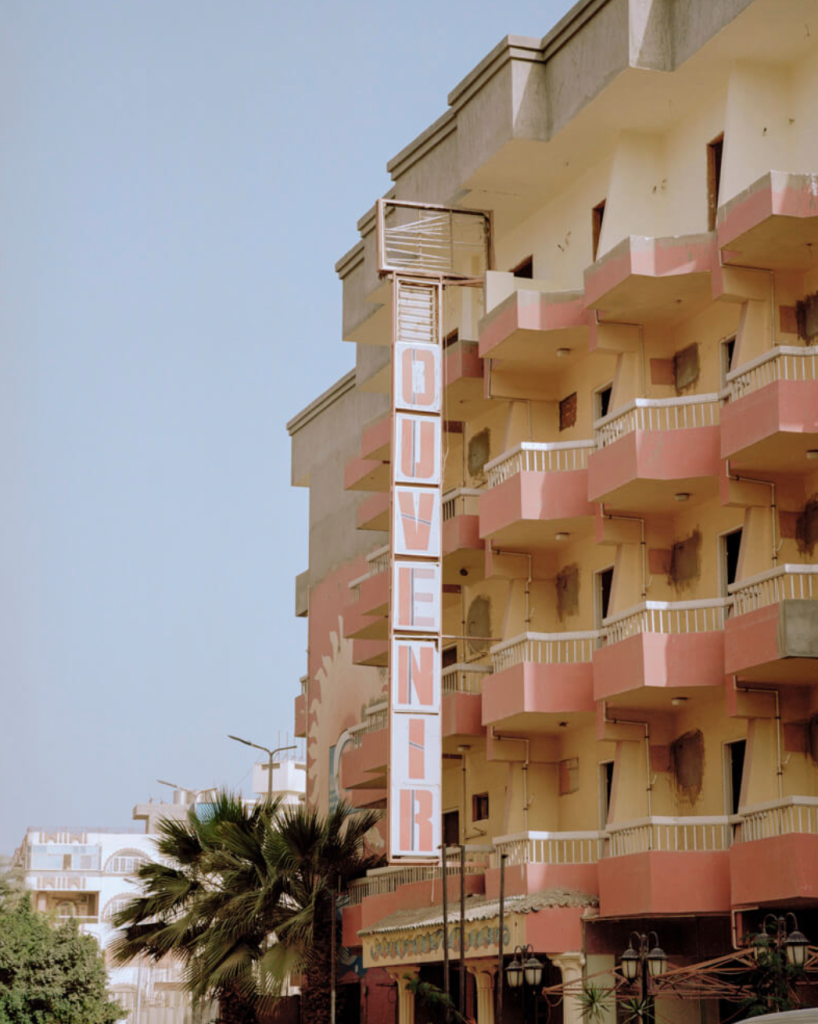
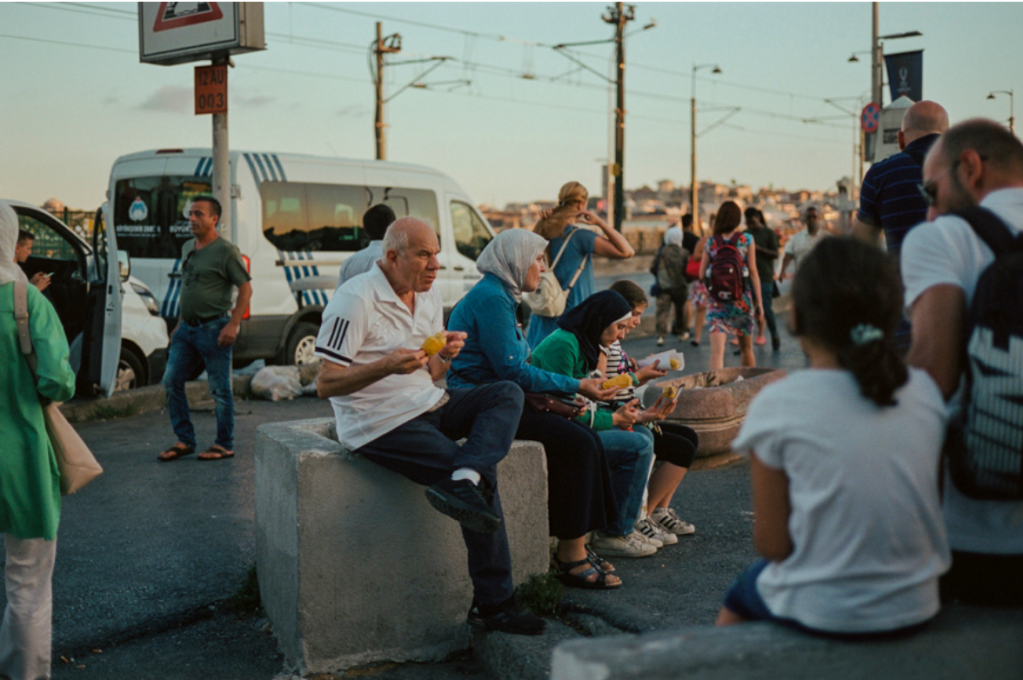
Sarah Pannell is an Australian photographer that focuses on travel and documentary photography, demonstrating the importance of different cultural conventions in her work. She captures a variety of destinations, events and cultures, portraying them in a considered manner that is true to the content, while exploring contrast and colour. She explores the relationship between people and places and how social conventions change over time.


https://www.sarahpannell.com/embed/#?secret=9awV2TuGF6
I think that it is important for artists and image makers to acknowledge the importance of the ‘everyday’, as there is a responsibility to document history and convey perceptions of ‘real’ life to future generations. By allowing future viewers to critique history, history can be referenced and ideas can be shared. Henri Lefebvre summarises this nicely in his essay Clearing the Ground in 1961.
“There can be no history without a critique of history itself”.

 capsule-blog.com